What Does Professional Tree Maintenance Entail?
Trees are an important part of any landscape, providing shade, improving curb appeal, supporting local ecosystems, and contributing to a property's overall value. However, keeping trees healthy and attractive requires more than occasional attention. Regular maintenance helps prevent potential hazards, encourages healthy growth, and protects surrounding structures and landscaping. Professional maintenance by a tree service will address the changing needs of trees throughout the year. Understanding what this work entails can help property owners make informed decisions about caring for the trees on their land.
Evaluating Tree Health and Condition
Professional tree maintenance begins with an assessment of the trees on a property. An experienced tree service provider examines each tree's overall condition, looking for signs of disease, pest activity, structural weaknesses, and environmental stress. This evaluation helps determine which services are necessary and whether any trees present potential safety concerns.
During an assessment, professionals may examine the trunk, branches, leaves, and root system. Cracks in the trunk, discolored foliage, unusual growth patterns, and visible fungal activity can all indicate underlying problems. Arborists also consider the tree's age, species, location, and growing conditions when evaluating its health. Identifying concerns early allows property owners to address developing issues before they become more serious or expensive to resolve.
Pruning and Trimming for Healthy Growth
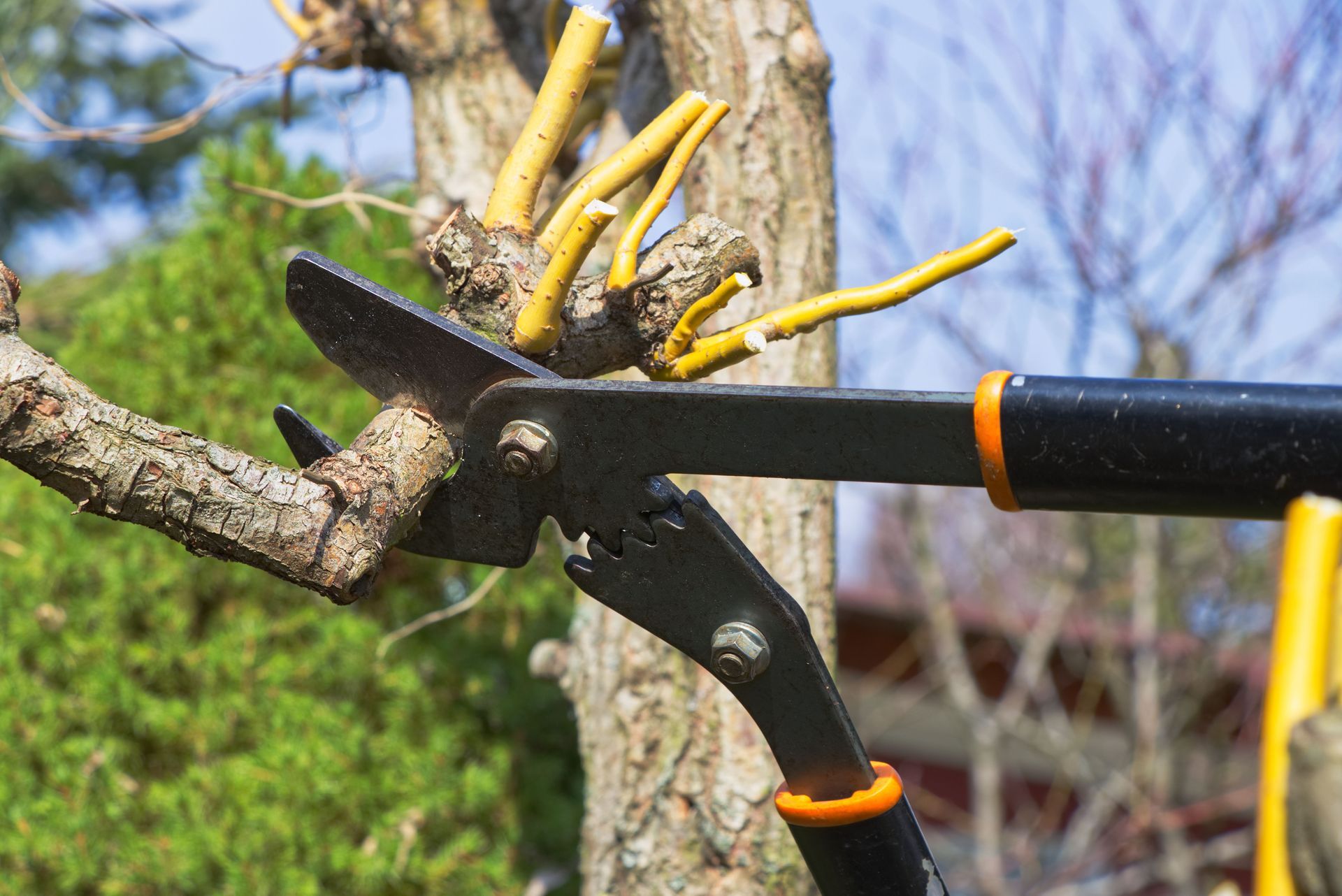
Pruning and trimming are among the most recognizable aspects of professional tree maintenance. Although the terms are sometimes used interchangeably, these services can serve different purposes. Pruning generally focuses on removing damaged, diseased, or unnecessary branches to support tree health, while trimming often addresses appearance, clearance, and overall shape.
A professional tree service uses appropriate cutting techniques to remove selected branches without causing unnecessary damage. Removing dead or weakened limbs reduces the likelihood of falling branches, while thinning certain areas of the canopy can improve airflow and sunlight penetration. Proper pruning also helps direct healthy growth and maintain a balanced structure. Because different tree species have different growth patterns and seasonal requirements, experienced professionals determine the appropriate approach for each tree.
Removing Dead, Damaged, and Hazardous Branches
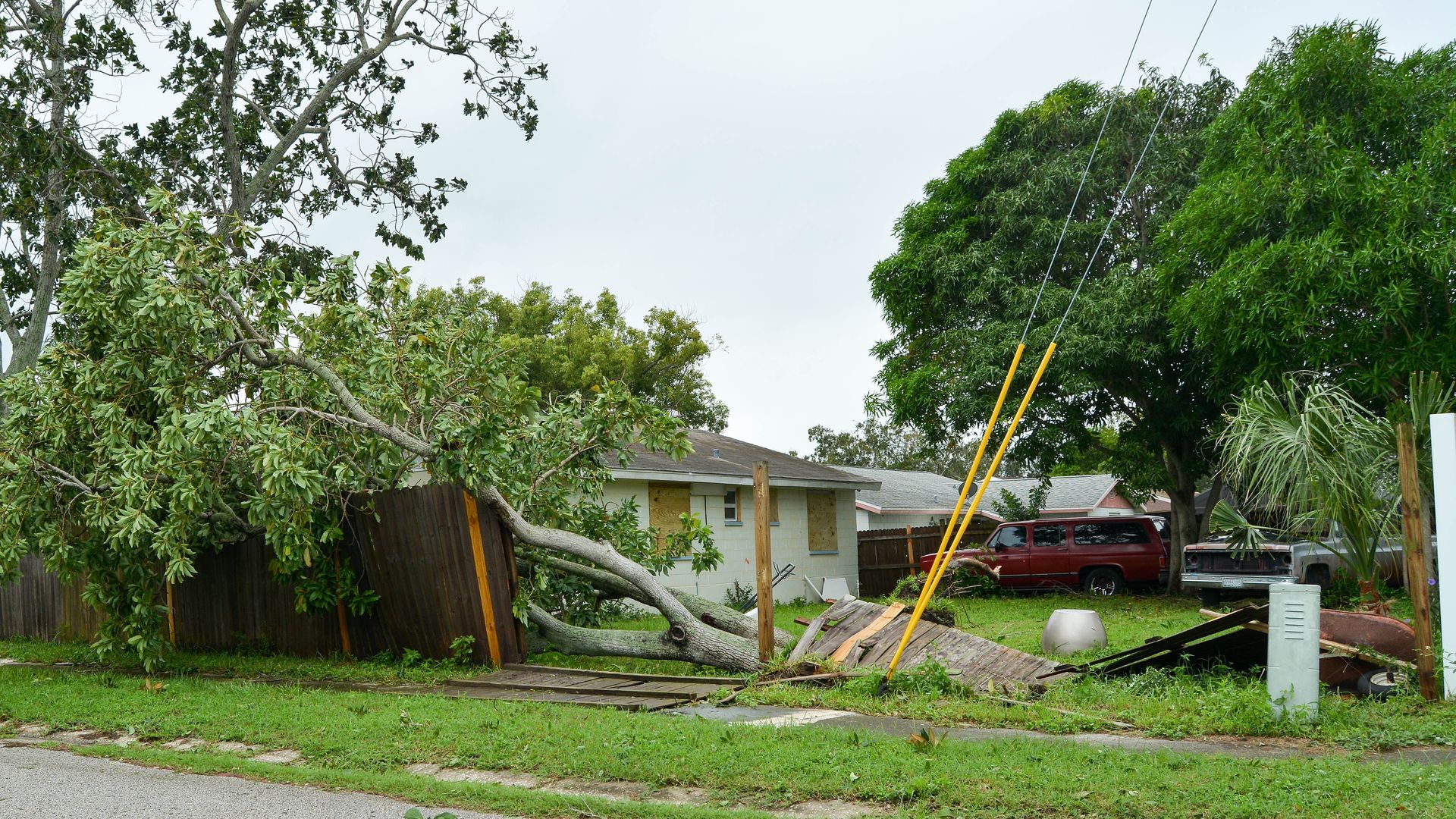
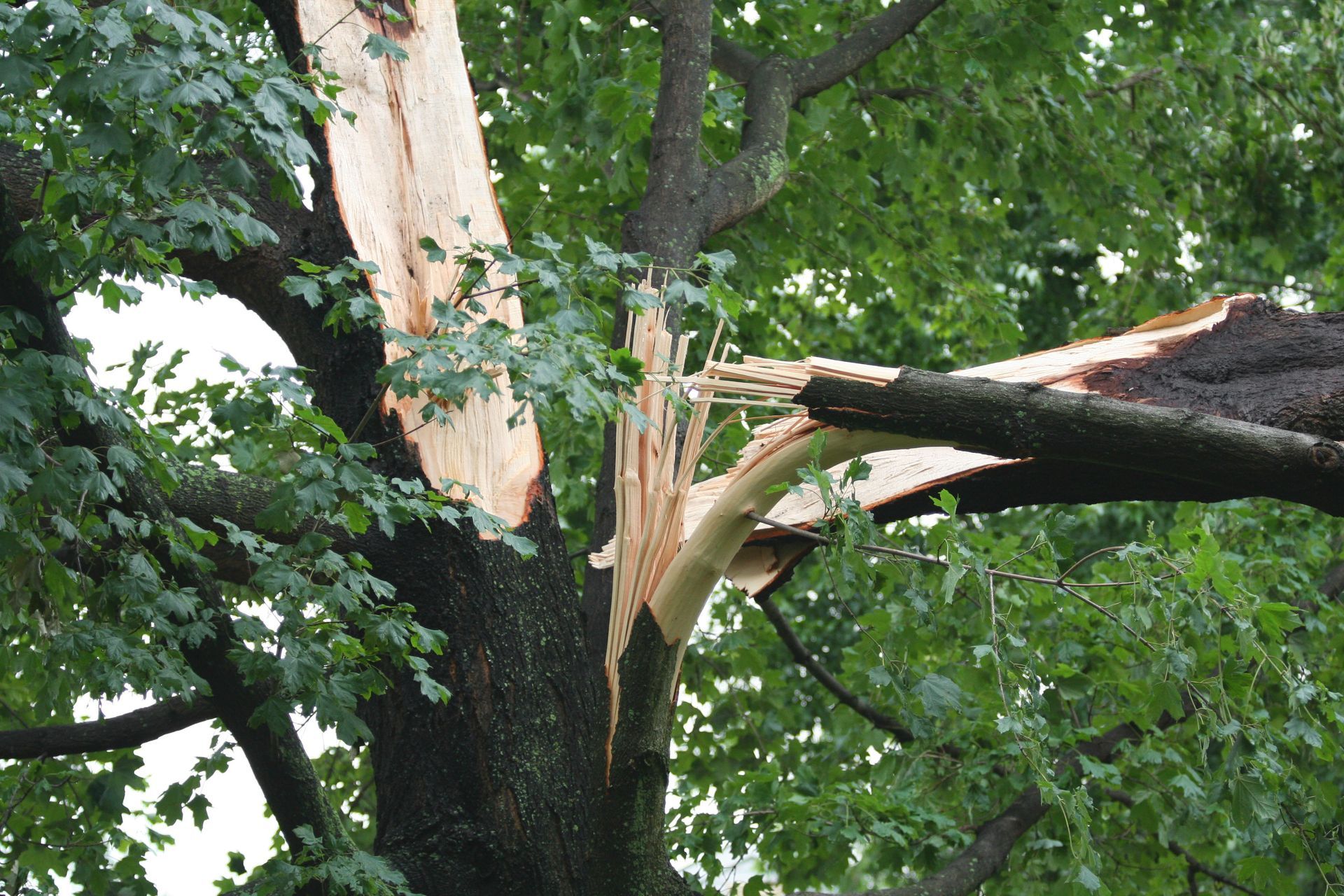
Dead and damaged branches can become significant safety concerns, particularly during storms or periods of high winds. Even relatively small limbs can damage vehicles, fences, roofs, and other property features when they fall. Larger branches may pose a risk to people using outdoor spaces.
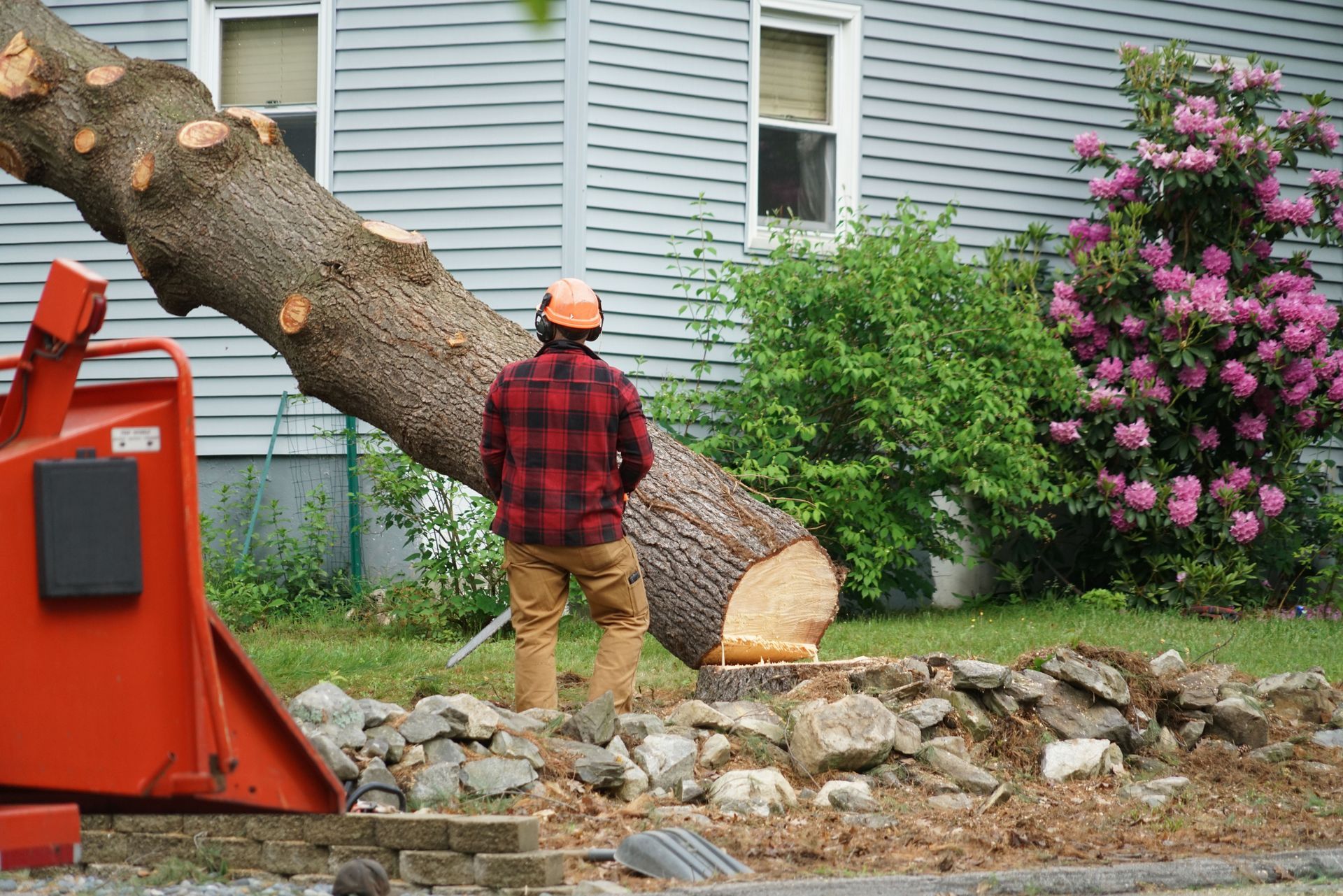
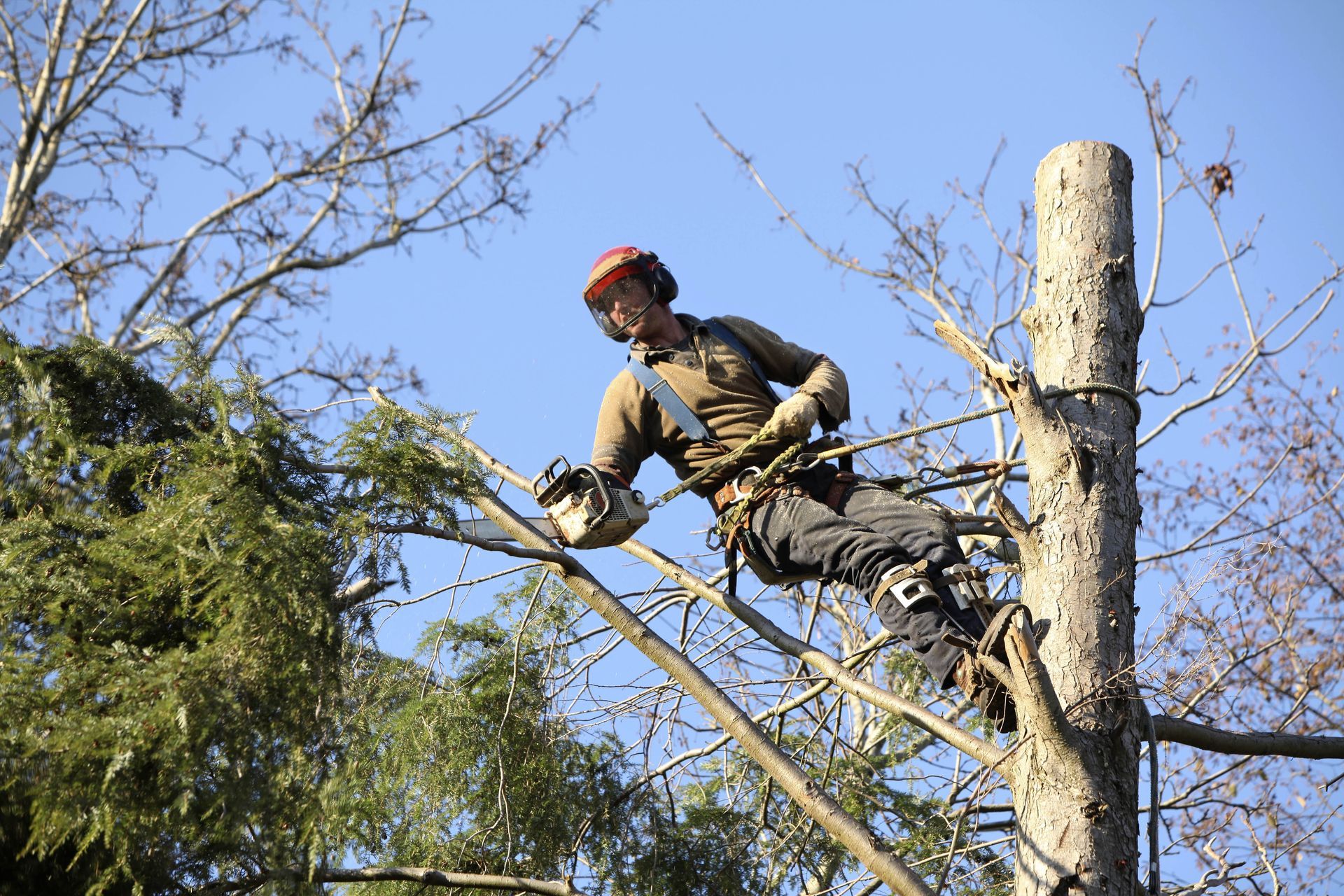
Professional maintenance includes identifying and removing branches that are dead, broken, diseased, or structurally compromised. Tree service specialists assess how these limbs are attached and determine the safest removal method. They also consider nearby structures, power lines, and landscaping before beginning work. Addressing hazardous branches promptly helps reduce unnecessary risks while allowing the remaining portions of the tree to continue growing.
Maintaining Proper Tree Structure
A tree's structure influences its long-term stability, appearance, and ability to withstand environmental conditions. Poor branch placement, uneven canopy development, and competing stems can create weaknesses as a tree matures. Without appropriate attention, these issues may increase the likelihood of branch failure.
Professional tree maintenance helps encourage a strong, balanced structure through selective pruning and corrective techniques. For younger trees, structural pruning can establish desirable growth patterns before branches become larger and more difficult to manage. Mature trees may require periodic attention to address developing weaknesses and maintain appropriate canopy distribution. These practices support long-term tree development while helping preserve the natural shape and character of the landscape.
Identifying and Addressing Tree Diseases
Trees can experience a variety of diseases caused by fungi, bacteria, and other pathogens. Some conditions affect foliage, while others damage bark, branches, roots, or internal wood tissue. Depending on the disease, symptoms may include leaf spots, premature leaf drop, cankers, unusual discoloration, and sections of declining growth.
Professional tree care providers know how to recognize common warning signs and recommend appropriate next steps. This may involve removing affected branches, improving growing conditions, or consulting a qualified tree service for additional evaluation. Early identification is particularly important because some diseases can spread to nearby trees. While not every condition can be reversed, timely attention can help limit further damage and preserve trees whenever possible.
Managing Insects and Pest Activity
Insects play an important role in natural environments, but certain species can cause significant damage to trees. Borers, caterpillars, scale insects, and other pests may feed on leaves, weaken branches, or damage the tree's internal tissues. Heavy infestations can interfere with healthy growth and leave trees more vulnerable to additional stress.
As part of routine maintenance, professionals inspect trees for visible insects, feeding damage, unusual leaf patterns, and other indications of pest activity. The appropriate response depends on the species involved, the extent of the infestation, and the condition of the affected tree. Treatment recommendations may include targeted pest management, pruning affected areas, or improving overall growing conditions. Addressing pest concerns early can help protect individual trees and reduce the likelihood of problems spreading throughout the landscape.
Providing Appropriate Tree Care Throughout the Seasons
Trees experience different growing conditions throughout the year, making seasonal maintenance an important part of their long-term care. Spring and summer often bring active growth, increased insect activity, and opportunities to identify developing health concerns. Fall and winter may provide better conditions for certain pruning activities, depending on the tree species and local climate.
Professional tree service providers consider seasonal factors when scheduling maintenance. They may recommend inspecting trees after severe weather, removing damaged limbs, or addressing concerns that become more noticeable during periods of seasonal change. According to Arborists Near Me, there are approximately 82,000 tree companies in the United States. With so many providers available, property owners should look for experienced professionals who understand regional growing conditions and the specific needs of local tree species.
Improving Tree Clearance Around Structures
As trees mature, their branches may extend toward buildings, roofs, driveways, walkways, and utility lines. Without appropriate management, this growth can create maintenance challenges and potential safety concerns. Branches that contact roofs may contribute to surface damage, while limbs extending over walkways can interfere with visibility and pedestrian access.
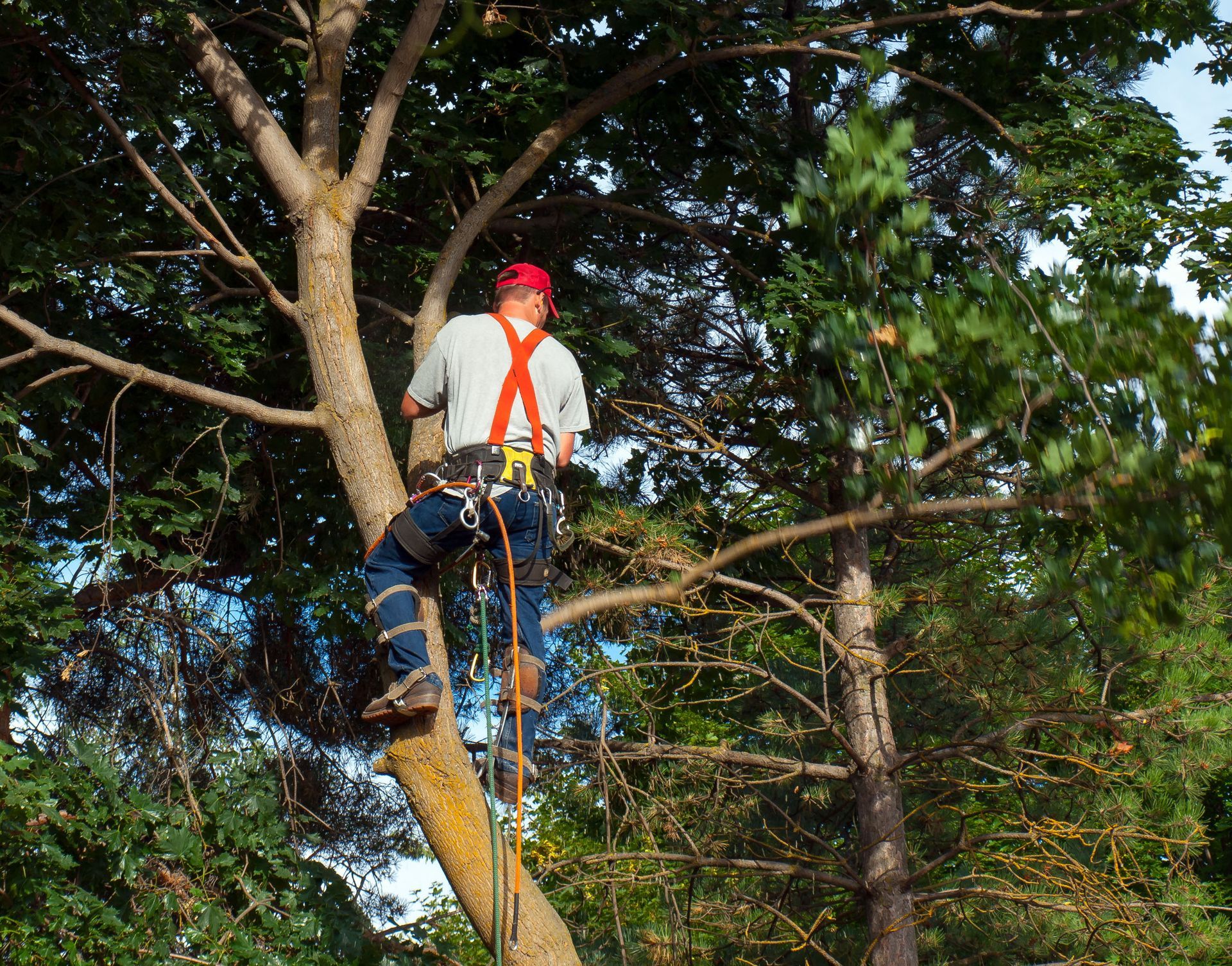
Professional trimming helps maintain appropriate clearance while preserving the tree's natural appearance. Tree service specialists identify branches that interfere with structures or other important areas and determine which cuts are necessary. They also account for future growth to help prevent recurring problems. Maintaining proper clearance can protect buildings, improve accessibility, and create a more functional outdoor environment.
Cleaning Up and Managing Tree Debris
Tree maintenance does not end when pruning or removal work is complete. Branches, leaves, wood pieces, and other debris can accumulate throughout the property, creating an untidy appearance and interfering with outdoor activities. Left unattended, larger branches may also become obstacles around driveways, walkways, and landscaped areas.
Many professional tree services include debris removal and cleanup as part of their work. Depending on the agreed-upon services, this may involve collecting fallen branches, hauling away cut wood, and clearing affected areas. Some providers may offer wood chipping or other options for managing organic material. Thorough cleanup helps restore the property's appearance and allows homeowners to enjoy their outdoor spaces without leftover materials from maintenance projects.
By establishing a consistent maintenance routine and working with experienced tree care professionals, property owners can protect their trees while reducing the likelihood of preventable problems. Contact our team at Junior Loye Tree Service LLC today to learn more!
Share On: