Signs It’s Time to Call a Tree Company for Emergency Tree Removal
A well-maintained tree is a valuable asset to any property, but certain signs may indicate the need for emergency removal to prevent risks to both people and property. These signs are crucial to address promptly to avoid potential hazards. Neglecting them can lead to significant structural damage or even personal injury, underscoring the importance of vigilance in monitoring tree health. In areas like North America, which leads the tree removal services market with a 35% contribution to global revenue according to Verifiedmarketreports.com, understanding these signs is integral for proactive maintenance. Recognizing these warning signs early can save time, money, and ensure safety, safeguarding both property value and occupant welfare.
Visible Signs of Tree Damage
Cracks and Splits in the Trunk
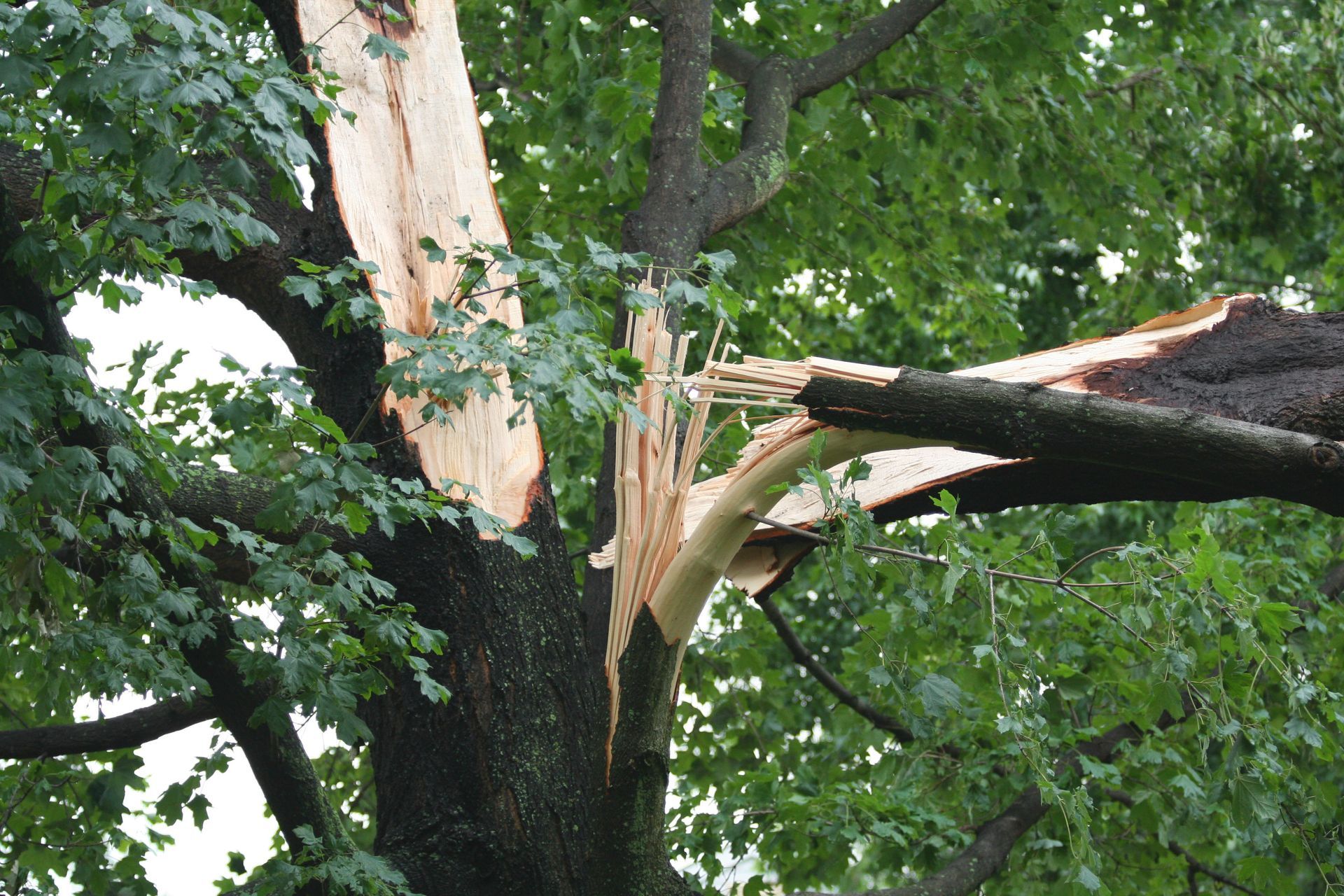
Cracks and splits in a tree’s trunk can indicate serious internal or structural damage. Such damage often occurs under stress from storms, particularly in older trees, making them susceptible to collapse. Regular inspections for these imperfections are crucial to identifying compromised trees. If these issues are visible, it is essential to contact a professional tree service immediately for evaluation. Ensuring prompt action can prevent potential harm to your property and ensure public safety around the area.
The presence of cracks could also suggest a defect in the tree’s natural development. Cracks need assessment beyond mere surface examination; they may reveal deeper, hidden issues within the tree. The crucial point is recognizing when these signs become evident to prevent future risks. Experts can provide insight into whether trimming or full removal is necessary. Taking this preemptive approach can save significant repair costs and other financial burdens related to property damage.
In addition, extreme weather conditions further exacerbate stress on already damaged structures. Trees with pre-existing cracks can become dangerous due to additional pressure from external factors like heavy winds or ice storms. Regular check-ups by experts can determine the internal integrity of trees, guiding informed decisions on either monitoring or removal. The proactive removal of hazardous trees can preclude major incidents. A strategy encompassing timely intervention ensures that properties remain safe and aesthetically pleasing.
Peeling or Missing Bark
Bark is vital to a tree’s health and any sign of it peeling away can indicate underlying problems. Peeling or missing bark often points to disease or pest invasion. These conditions, left unchecked, can deteriorate tree health rapidly, affecting the entire ecosystem within the vicinity. Inspection of the outer layers of trees is essential in identifying and mitigating such threats early. Consulting professionals can help diagnose whether treatments or removals are the best course of action.
The bark functions as a protective barrier and energy conduit, and its impairment can lead to decay. Correct evaluation of the scope and cause is imperative to determine if the problem stems from environmental stress, pathogens, or insect activity. Skilled professionals can employ measures like bark scraping to assess the nature of the decline. Treatments can sometimes restore health, but if not, removal may be the safer alternative. This holistic assessment ensures that trees do not pose unknown risks.
Moreover, changes in bark can also highlight environmental changes like soil conditions or moisture levels affecting tree health. Monitoring these elements closely assists in preserving trees in optimal conditions. Such considerations emphasize the importance of regular professional evaluations. They serve as preventative measures, ensuring that trees remain stable contributors to property value and safety. Advocacy for professional advice ensures that property stakeholders always make decisions grounded in expert insights.
Severe Leaning
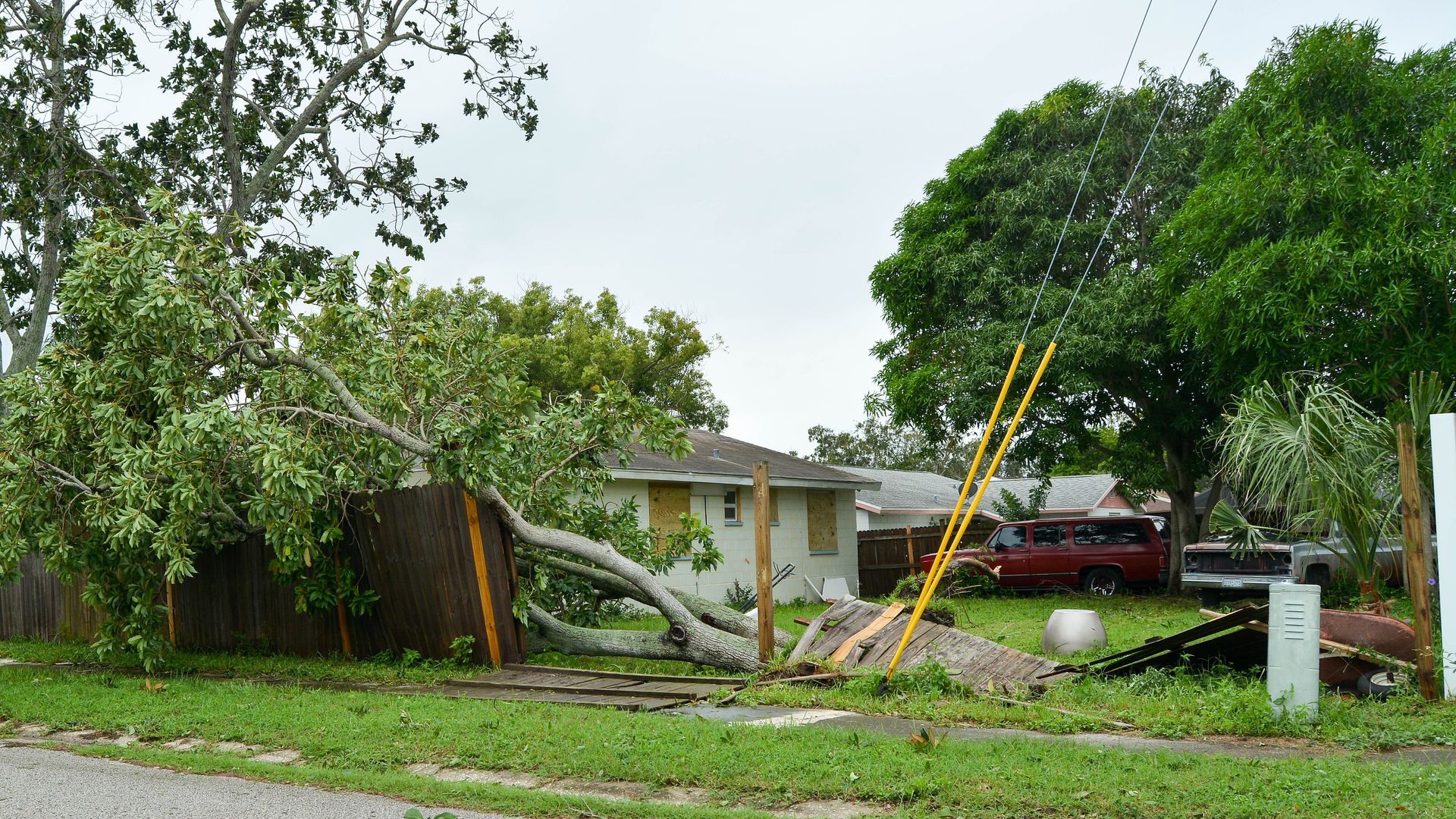
Not all leaning trees pose immediate threats; however, sudden or worsening lean often suggests significant instability. Factors contributing to a tree’s lean could include root damage, soil conditions, and environmental factors such as extreme weather. Observing these movements closely, especially after storms, helps in assessing potential risks. Should the lean increase abruptly or show signs of destabilizing, calling a tree service becomes imperative. Left unattended, such trees could lead to massive property damage or personal injury.
Leaning typically results from shifts in structural integrity that can predict potential failure. It is critical to analyze whether tilting stems from root matrix failure or issues with weight balance caused by uneven growth. Evaluating these situations provides guidance on possible countermeasures, like stabilizing or, if necessary, removal. This processes aids in maintaining property aesthetics and safety. Professionals are trained to identify subtle risks that may not be apparent to the untrained eye.
The risk category of leaning trees increases dramatically near structures or unprotected areas. Trees that show rapid leaning merit immediate intervention to address potential hazard conditions. Acting swiftly mitigates liability issues associated with preventable accidents. Consulting with tree removal experts can assist decision-making and ensure that any interventions taken are backed by robust standards. Such strategies effectively anticipate threats, preserving safety around living spaces and community areas.
Lodged or Hanging Branches
Branches that appear loosely attached or hang unnaturally in the canopy signal conditions requiring immediate attention. These issues often arise from storms, high winds, or improper pruning techniques. Over time, they pose increased risks of detachment, causing damage to property or potential injury to individuals below. Regular inspections following adverse weather events can help identify these issues early. Addressing them promptly allows for planned action by removing compromised limbs safely.
The likelihood of branches becoming precarious increases with the tree's size and weight, ultimately dictating the urgency of removal. Assessments should include considerations on whether the structure allows for reinforced support or necessitates pruning. Experts can provide tailored advice based on specific tree conditions and prevailing environmental factors. Prompt intervention can, therefore, eliminate the danger while also ensuring that the tree retains its visual appeal. Such measures preemptively combat any future risks.
Furthermore, tree-specific practices, when followed accurately, manage canopy growth sustainably, preventing awkward positioning or weight distribution. Trained arborists impart essential skills for ensuring natural growth aligns with aesthetic and safety concerns. Through regular care, properties maintain the integrity of their natural landscape. Routine maintenance also delays the likelihood of requiring emergency interventions. This approach aligns with best practices in surrounding environments, promoting harmony between natural and human habitation.
Visible Root Damage
The health and stability of a tree heavily rely on its root system. Any disruption, compaction, or visible damage to roots requires swift assessment. Roots can suffer from construction-related activities, soil erosion, or moisture imbalances, impacting their ability to provide stability and nourishment. Without proper intervention, these conditions can lead to tree failure, resulting in substantial property damage. Early detection plays a key role in maintaining tree health.
Root inspections help highlight issues related to physical damage, infections, or pests affecting tree stability. Such assessments can identify if alternate solutions like soil aeration or drainage improvement would suffice, or if removal is the only option. The outcome protects both tree longevity and the safety of the surrounding environment. Proactive measures also build resilience against unpredictable weather impacts. Professionals familiar with dealing in these scenarios offer insight into sustainable urban forestry practices.
Problematic roots present complex risks, especially in areas where they encroach on built structures or utilities. Delving into the roots' condition enhances understanding of the evident and potential threats. Engaging tree services fosters an environment of mutual benefit between natural and constructed aspects of a property. This practice leads to informed actions regarding urban planning and property management. Transparent communication with experts creates a partnership that supports sustainable environmental impacts.
Brittle branches are indicative of poor tree health and potentially dying trees. Such branches break easily, representing the tree's inability to sustain itself adequately. Frequent inspection of branches for brittleness can act as an early warning signal. It highlights underlying issues, such as diseases or insufficient water and nutrient absorption. Professional evaluations ensure tailored strategies for revitalizing tree health, or if unavoidable, recommendations for removal. Be sure to reach out to Junior Loye Tree Service LLC today to learn more about our professional tree company!
Share On: