
The Long-Term Value of a Routine Tree Service for Residential Landscaping
The significance of routine tree services in residential landscaping cannot be understated. These services play a vital role in enhancing aesthetic appeal, promoting tree health, ensuring safety, and providing numerous environmental benefits. By investing in routine tree care, homeowners can secure long-term financial, emotional, and psychological advantages. According to The Business Research Company, the tree services market in the U.S. is expected to experience rapid growth, reaching $2.20 billion by 2028. This growth underscores the increasing recognition of the multiple benefits offered by professional tree care.
1. Enhancing Aesthetic Appeal
1.1. Importance of Regular Pruning
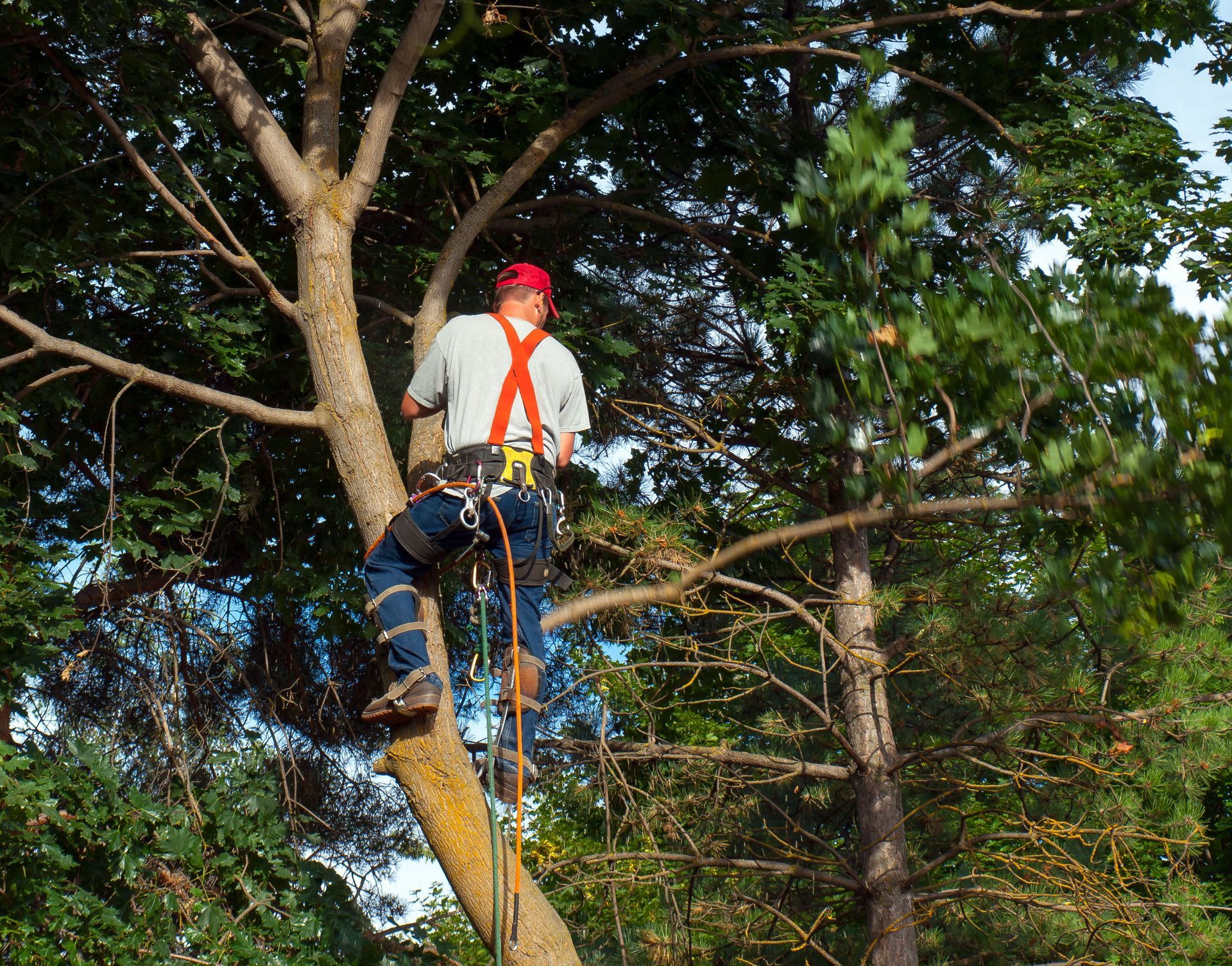
Regular pruning is essential for maintaining both the health and beauty of trees. It involves the selective removal of branches to improve tree structure and aesthetics. Pruning helps eliminate dead or overcrowded branches, allowing sunlight to reach all parts of the tree. This process not only enhances the appearance but also promotes healthier growth. In the long run, regular pruning can significantly contribute to a landscape's visual appeal.
1.2. Seasonal Blossoming and Visual Impact
Tree services play a critical role in ensuring that seasonal blooms are vibrant and picturesque. By scheduling routine care, homeowners can prepare their trees for upcoming growing seasons. Proper pruning and fertilization promote healthy blossoms and maximize their impact. In turn, a well-maintained tree can serve as a stunning focal point in a residential landscape. The cyclical beauty of seasonal blooms provides year-round visual enjoyment.
1.3. Impact on Property Value
Visually appealing landscaping can significantly increase a property's market value. A well-cared-for landscape suggests to potential buyers that the rest of the property is equally well-maintained. Trees that are healthy and groomed contribute to curb appeal, attracting prospective buyers. Real estate experts agree that landscaping improvements can return over 100% on investment upon sale. Therefore, routine tree services directly correlate with enhanced property value.
1.4. Customized Tree Shaping
Customized tree shaping is an art form that enhances landscape design. Professional arborists can sculpt trees into eye-catching shapes that complement the overall aesthetic of a residential garden. This tailored approach allows for variability and personalization in landscape design. By integrating trees as living sculptures, homeowners can create unique outdoor environments. These artistic endeavors not only add beauty but also increase a property's allure.
1.5. Integrating Trees with Overall Landscape Design
Strategies for harmonizing tree growth with other elements in a landscape design are critical for a cohesive outdoor space. Trees should complement other features such as flowerbeds, pathways, and water elements. A holistic approach to landscaping ensures that trees do not overshadow or outcompete surrounding plants. Moreover, careful planning can prevent conflicts between tree roots and built structures. Through thoughtful design, trees can seamlessly integrate into the larger landscape, enhancing its beauty and functionality.
2. Healthier Tree Growth
2.1. Identifying and Removing Diseased Branches
The process of identifying and removing diseased branches is crucial for tree health. Diseased limbs can spread infections, risking the entire tree's wellbeing. Routine tree services involve careful inspection and timely removal of affected branches. This preventive measure not only saves trees but also enhances their growth potential. By addressing diseases early, arborists help prolong the life of trees.
2.2. Improving Air Circulation
Improved air circulation within tree canopies is a key benefit of regular maintenance. Pruning excess branches allows air to flow smoothly through the tree structure. Enhanced circulation reduces the risk of fungal infections and pest infestations. Trees that can breathe are more likely to thrive in varying environmental conditions. Consequently, routine tree care supports healthier, more resilient tree growth.
2.3. The Role of Soil and Nutrients
Assessing and improving soil conditions is paramount for optimal tree health. Healthy, well-aerated soil supplies essential nutrients to tree roots. Arborists test soil quality and recommend amendments to support vigorous growth. Fertilization schedules are often designed based on specific tree species and their nutrient needs. A focus on soil health ensures trees receive the sustenance they require to flourish.
2.4. Prevention of Infestations
Routine tree services include measures to protect trees from pests and diseases. Regular inspections help monitor for signs of infestation or illness. Early detection allows for immediate intervention, minimizing damage to the tree. Employing natural or chemical treatments as needed preserves tree health and prevents future complications. Proactive pest and disease management is essential for long-term tree vitality.
3. Ensuring Safety
3.1. Preventing Falling Branches
The danger of heavy branches necessitates routine maintenance to prevent accidents. Over time, unchecked branches can become unstable, especially during adverse weather conditions. Routine trimming removes potential hazards before they pose a threat. This proactive approach protects both people and property from falling branches. In maintaining tree safety, arborists reduce liability concerns for homeowners.
3.2. Managing Tree Proximity to Power Lines
Trees near power lines require special attention due to associated risks. Overgrown branches can cause outages or pose serious safety hazards. Routine trimming keeps branches a safe distance from utility lines, preventing potential accidents. Professional services ensure compliance with local regulations and safety standards. By mitigating these risks, tree care promotes neighborhood safety and reliability.
3.3. Avoiding Root Damage to Structures
Trees' roots, if unchecked, can harm foundations and underground utilities. Routine inspections identify invasive root growth early, using strategies to redirect or prune roots. This precautionary measure prevents costly damage to homes, driveways, or sidewalks. Professional arborists assess root behavior and implement appropriate management plans. By protecting structures, routine tree service contributes to property longevity and safety.
3.4. Visibility and Driveway Clearance
Maintaining clear sightlines and driveway access is vital for safety. Overhanging branches or obstructive foliage can limit visibility, leading to potential accidents. Regular tree care ensures branches are trimmed to provide unobstructed views. These services also address encroachment upon pathways or driveways. Effective tree management enhances both visual access and pedestrian safety.
4. Environmental Benefits
4.1. Enhancing Local Biodiversity
Well-maintained trees support wildlife and encourage local biodiversity. A variety of tree species can provide habitats for birds, insects, and small mammals. Diverse ecosystems rely on trees as keystone species for food and shelter. Routine care ensures trees are healthy, positioning them as vital ecological components. Thus, tree services help maintain a balanced and thriving natural environment.
4.2. Carbon Sequestration
Trees play a pivotal role in carbon sequestration, improving air quality. By absorbing carbon dioxide and producing oxygen, trees contribute to climate regulation. Healthy trees sequester more carbon, necessitating routine care to maximize this process. Beyond individual tree health, broader tree cover in urban areas aids global environmental efforts. Prioritizing tree care thus offers tangible benefits in combating climate change.
4.3. Cooling Effects and Energy Conservation
The natural cooling effects of trees can significantly reduce energy costs. Trees provide shade that decreases ambient temperatures, lowering the need for air conditioning. Strategic placement of trees around homes can optimize these energy savings. Caring for trees ensures they are capable of offering maximum cooling while reducing carbon footprints. Consequently, well-tended trees align with energy conservation strategies.
4.4. Contribution to Urban Canopy
The broader impact of individual tree care is realized in urban canopy expansion. Trees in urban environments offer cooling, aesthetic, and ecological benefits on a community scale. Routine maintenance supports the growth and sustainability of this canopy cover. Healthy urban trees enhance city living, contributing to public health and economic resilience. By investing in tree services, cities can boost urban canopy coverage and all its associated benefits.
Routine tree services play a crucial role in enhancing residential landscapes with long-term value. From physical safety and environmental contributions to cost efficiency and psychological wellness, these services provide comprehensive benefits. Regular maintenance not only ensures healthy, beautiful trees but also contributes positively to overall homeowner satisfaction. Investing in tree services cultivates landscapes that are visually, financially, and ecologically rewarding. If you're looking for tree services, contact Junior Loye Tree Service LLC today.

Share On: