Why Reliable Local Tree Services Are Vital to Modern Infrastructure
Modern communities rely on a complex network of systems that keep daily life running smoothly. Roads, utilities, drainage systems, and communication lines all depend on consistent maintenance to remain functional and safe. While these elements are often associated with construction and engineering, trees play a significant role in how well infrastructure performs over time. Without proper oversight, vegetation can interfere with critical systems and create unexpected risks.
This is where local tree services become essential. By managing tree growth, removing hazards, and responding quickly to emergencies, trained professionals help preserve the stability and reliability of infrastructure in both residential and commercial environments. Their work extends beyond aesthetics, directly supporting safety, accessibility, and long-term property value.
The Role of Tree Care in Protecting Infrastructure
Preventing Damage to Power and Utility Lines
Trees growing too close to utility lines present one of the most common and costly infrastructure challenges. Over time, branches can encroach on power lines, leading to service disruptions or dangerous conditions. During storms or high winds, these risks increase significantly as weakened limbs or entire trees can fall onto electrical systems.
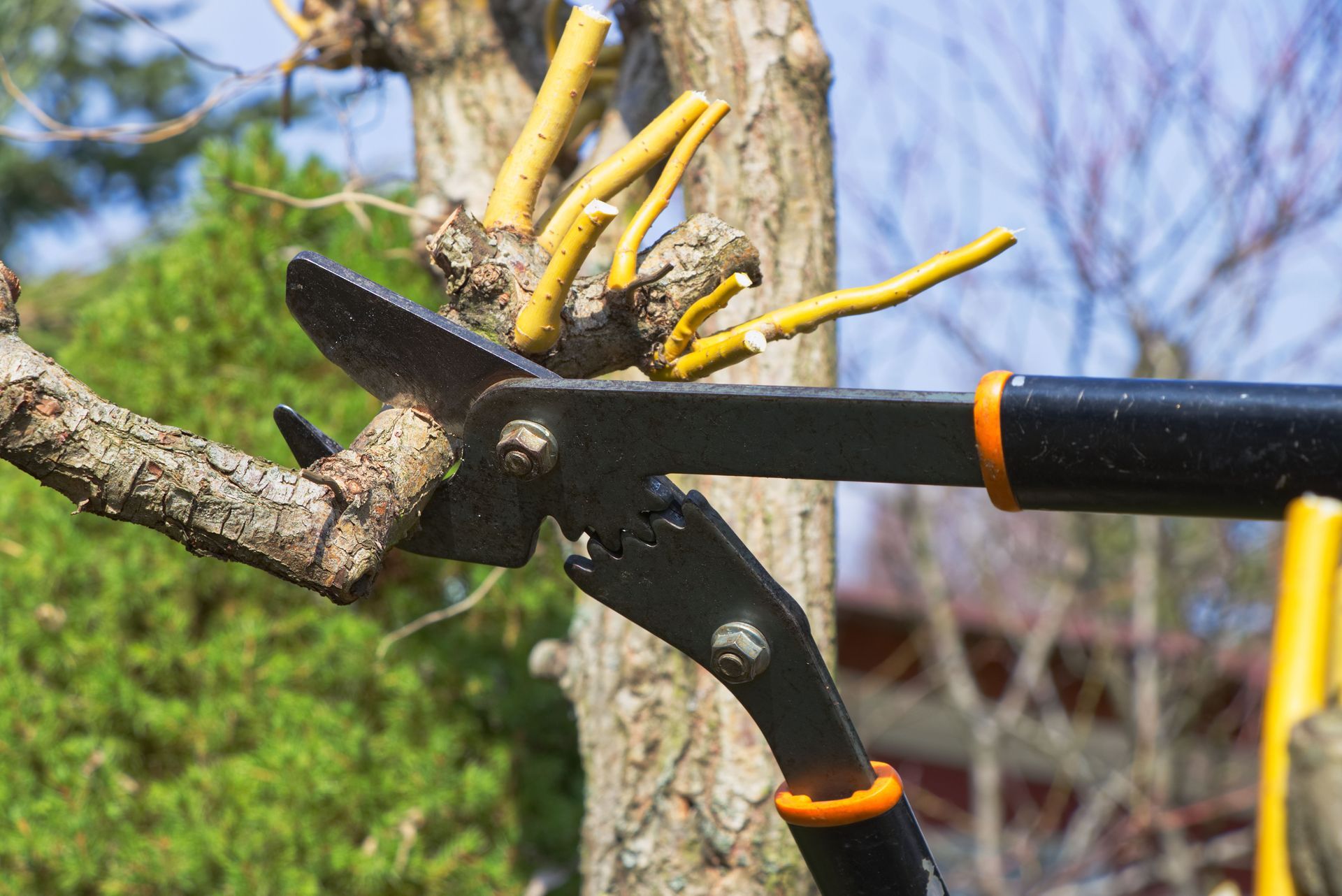
Professional local tree services play a proactive role by trimming branches and maintaining safe distances between vegetation and utility lines. This reduces the likelihood of outages and minimizes repair costs for both property owners and utility providers. Strategic pruning also helps trees grow in a way that avoids future interference.
Reducing the Risk of Widespread Outages
Infrastructure resilience depends heavily on preventing large-scale disruptions. Tree-related damage remains a leading cause of power outages across many regions. According to the New York State Department of Public Service, more than 90% of outages linked to trees occur when those growing along the edges or outside of transmission facilities fall into the system.
This highlights the importance of managing not only trees directly beneath power lines but also those nearby. Tree services address this broader risk by evaluating surrounding vegetation and removing unstable or overgrown trees before they become a problem. An expert's preventative approach helps maintain uninterrupted service for entire communities.
Protecting Roads, Sidewalks, and Drainage Systems
Tree roots and overgrowth can significantly impact transportation and drainage infrastructure. Roots may lift sidewalks, crack pavement, and interfere with underground pipes, creating hazards for pedestrians and vehicles alike. Additionally, fallen leaves and debris can clog storm drains, leading to localized flooding during heavy rainfall.
Routine maintenance provided by local tree services ensures that trees remain structurally sound and appropriately positioned. By managing root systems and clearing debris, professionals help maintain safe pathways and effective drainage. This reduces the need for costly municipal repairs and improves overall accessibility.
Supporting Structural Integrity of Nearby Buildings
Trees planted too close to homes or commercial buildings can compromise structural integrity over time. Expanding roots may affect foundations, while overhanging branches can damage roofs, windows, and siding during storms. These issues often develop gradually, making early intervention critical.
Tree services assess tree placement and health to determine potential risks. When necessary, they recommend pruning, relocation, or removal to protect surrounding structures. This preventative care helps property owners avoid expensive repairs and ensures buildings remain secure.
Emergency Response and Rapid Hazard Mitigation
Addressing Storm Damage Quickly
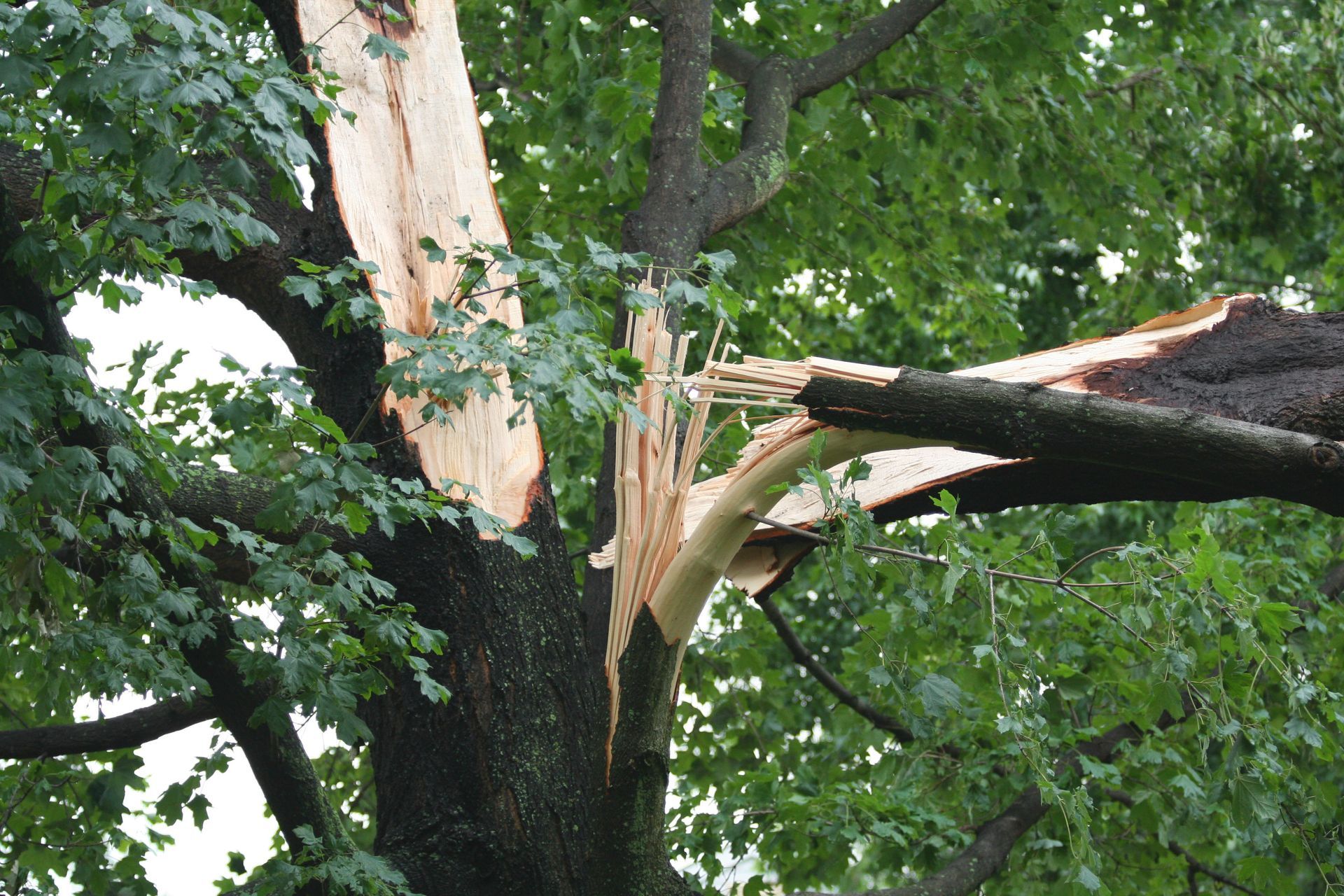
Severe weather events can cause significant damage to trees, resulting in fallen trunks, broken limbs, and unstable structures. These hazards often block roads, damage property, and create immediate safety concerns. Prompt action is essential to restore normal conditions and prevent further issues.
Experienced tree services are equipped to respond quickly to these situations. With specialized equipment and trained personnel, they can safely remove debris, clear access points, and stabilize affected areas. Their rapid response minimizes downtime and helps communities recover more efficiently.
Removing Dangerous Fallen Trees Without Delay
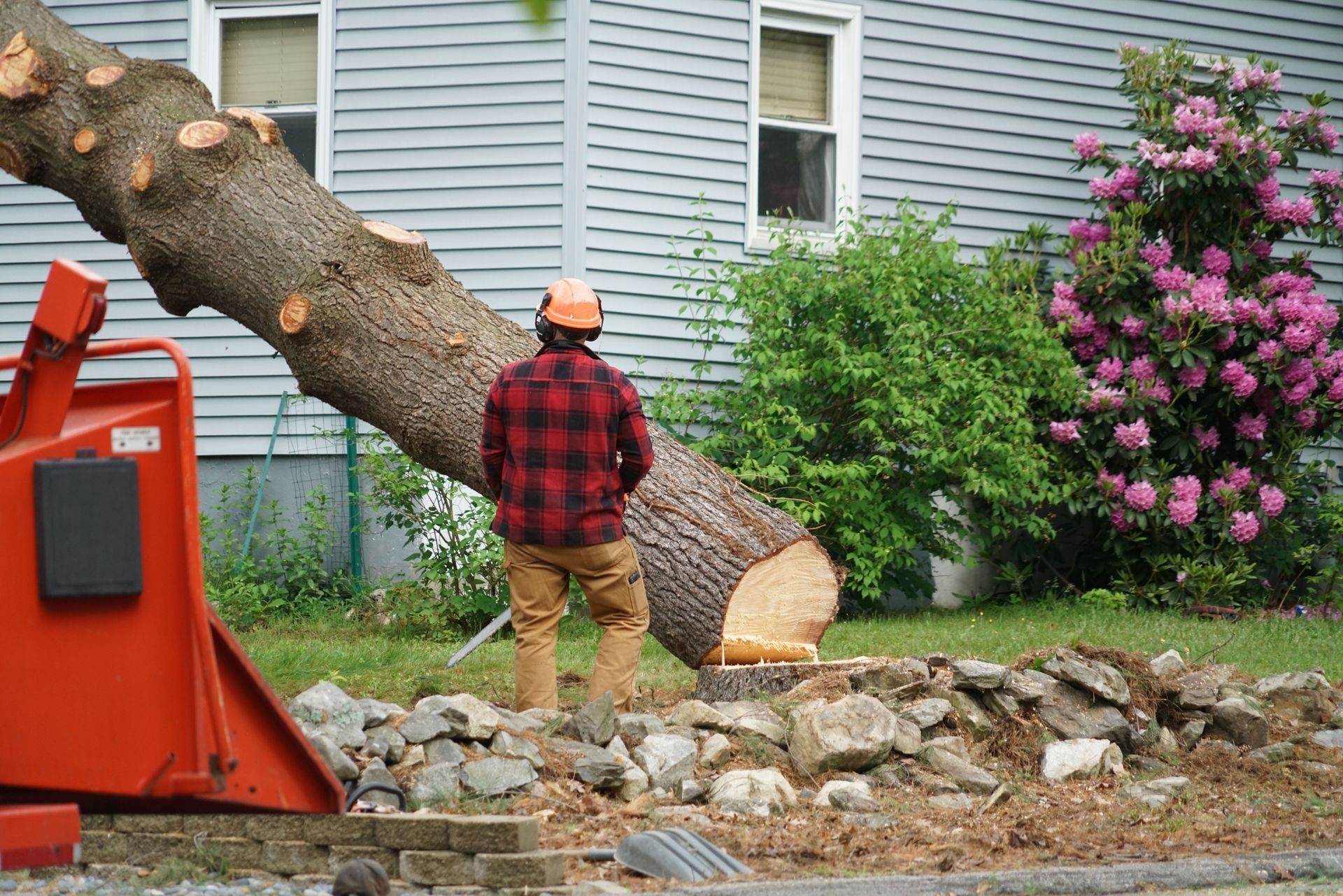
When a tree falls, it can pose serious risks to people, property, and nearby infrastructure. Delayed removal increases the likelihood of additional damage, especially if the tree shifts or continues to deteriorate. Immediate action is necessary to reduce these dangers.
Professional crews prioritize safety by carefully assessing each situation before beginning removal. Their expertise ensures that fallen trees are handled efficiently and without causing further harm. By relying on local tree services, property owners can address emergencies with confidence and reduce potential liabilities.
Preventing Secondary Damage After Initial Impact
The initial fall of a tree is often only the beginning of the problem. Broken branches, exposed roots, and damaged structures can lead to additional complications if not addressed promptly. Water intrusion, mold growth, and structural weakening are common consequences of delayed action.
Professional tree services provide comprehensive solutions that go beyond simple removal. They evaluate the surrounding area, identify secondary risks, and implement measures to prevent further damage. This thorough approach helps restore stability and protects long-term property value.
Ensuring Safe Access for Emergency and Utility Crews
Blocked roads and obstructed pathways can hinder the work of emergency responders and utility repair teams. In critical situations, delays caused by fallen trees can have serious consequences. Maintaining clear access routes is essential for effective response efforts.
Tree care professionals play a vital role in clearing these obstructions quickly and safely. By working alongside other service providers, regional tree services help ensure that emergency operations proceed without unnecessary delays. Their coordination supports faster recovery and improved public safety.
Long-Term Maintenance for Sustainable Infrastructure
Promoting Healthy Tree Growth
Healthy trees are less likely to pose risks to infrastructure. Regular maintenance, including pruning and health assessments, helps trees develop strong structures and resist disease. This reduces the chances of unexpected failures that could impact surrounding systems.
Reliable tree services provide ongoing care tailored to each property's needs. By identifying potential issues early, they can implement corrective measures that promote long-term stability. This proactive approach benefits both the trees and the infrastructure they coexist with.
Preventing Pest Infestations and Disease Spread
Tree health directly influences the stability of the surrounding environment. Infestations and diseases can weaken trees, making them more susceptible to falling or shedding large branches. These conditions can quickly escalate if not addressed.
Through routine inspections and targeted treatments, local tree services help prevent the spread of pests and diseases. Early intervention protects not only individual trees but also the broader landscape. This contributes to a more resilient and sustainable environment.
Enhancing Property Value and Community Appeal
Well-maintained trees contribute to the overall appearance and value of a property. They provide shade, improve air quality, and create a welcoming atmosphere. However, neglected trees can have the opposite effect, detracting from curb appeal and posing safety concerns.
Professional maintenance ensures that trees remain an asset rather than a liability. Local tree services help property owners achieve a balanced landscape that supports both aesthetics and functionality. This enhances community appeal and encourages long-term investment.
Supporting Compliance With Local Regulations
Many municipalities have regulations regarding tree maintenance, especially when it comes to safety and environmental impact. Property owners may be required to address hazardous trees or maintain clearances around utilities and roadways.
Regional tree services are familiar with these requirements and can help ensure compliance. By addressing issues proactively, they reduce the risk of fines, penalties, or complications with insurance claims. Their expertise provides peace of mind and simplifies property management.
Reliable infrastructure depends on more than just engineered systems. The natural environment, particularly trees, plays a significant role in how well communities function. Without proper care, trees can interfere with utilities, damage property, and create safety hazards that disrupt daily life.
Ultimately, local tree services provide the expertise needed to manage these risks effectively. From routine maintenance to emergency response, their work supports the stability and longevity of essential systems. By investing in professional tree care, property owners and communities can protect infrastructure, enhance safety, and ensure a more resilient future. If you're looking for a reputable tree service provider in your community, look no further than Junior Loye Tree Service LLC!
Share On: