
How Much Difference Do 100 Trees Make? The Real Impact of Green Spaces on Our Air
Trees are among the most effective natural resources available for improving the quality of the air people breathe. In cities and developed communities, groups of trees can capture pollutants, absorb carbon dioxide, provide oxygen, and create cooler, healthier environments. While one tree may seem to have a modest effect, a collection of 100 trees can make a measurable difference.
The environmental value of these trees depends on their species, size, age and growing conditions, but their combined benefits extend well beyond air purification. Green spaces can support wildlife, reduce energy consumption, improve neighborhood appearance and contribute to public health. Professional tree service also plays an important role in maintaining these benefits by helping communities plant, prune and care for trees over the long term.
What Role Does Tree Service Play In Improving Urban Air Quality?
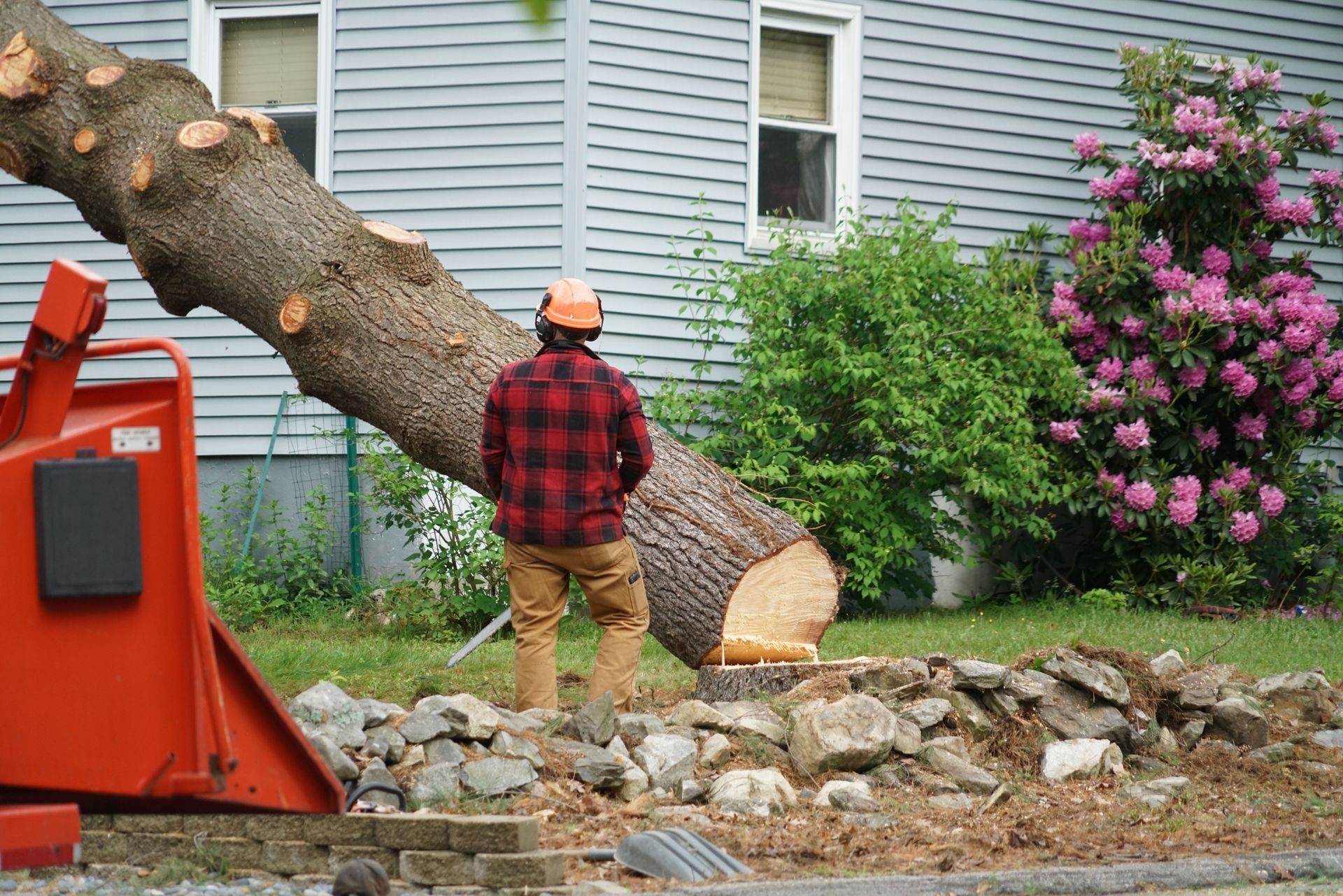
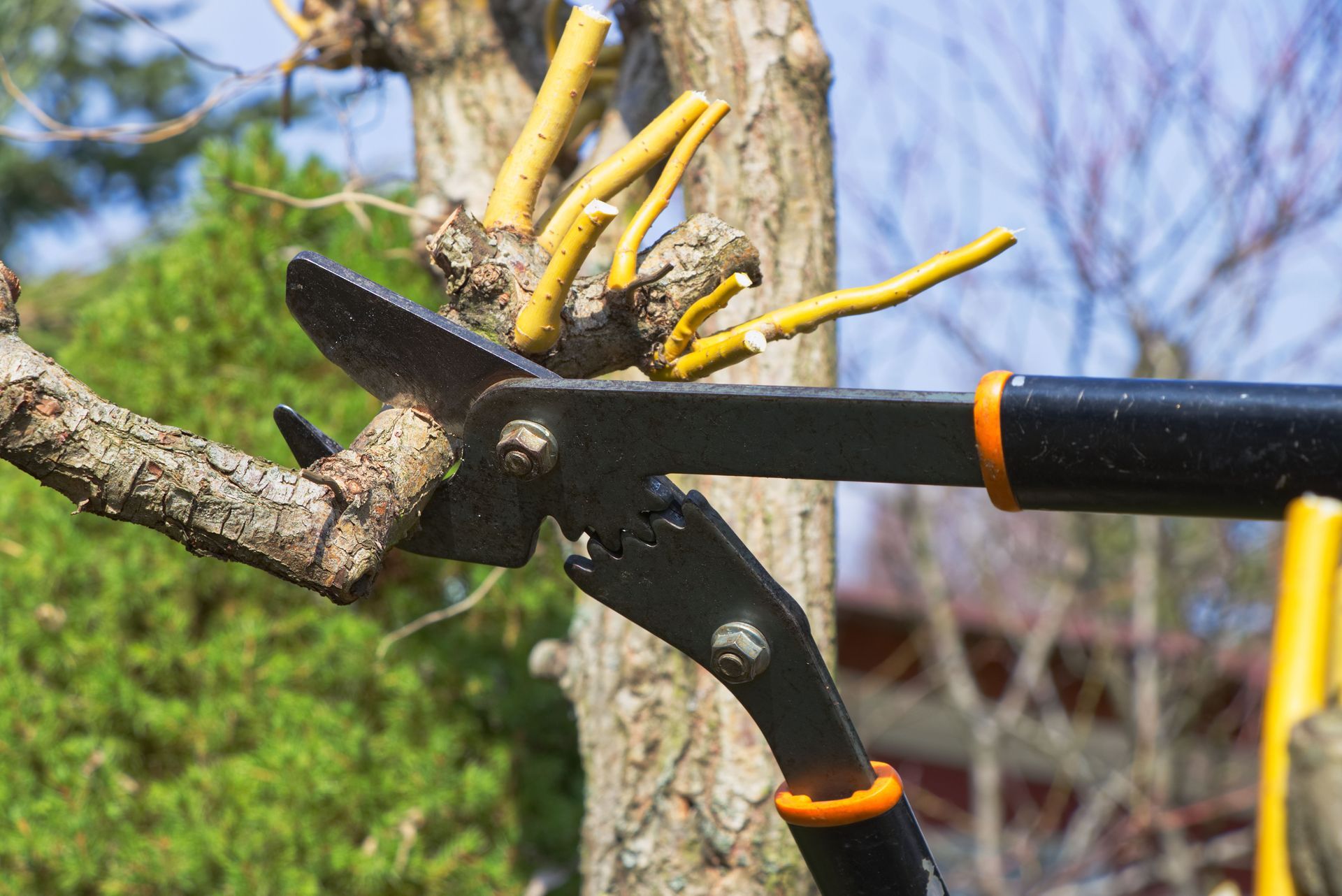
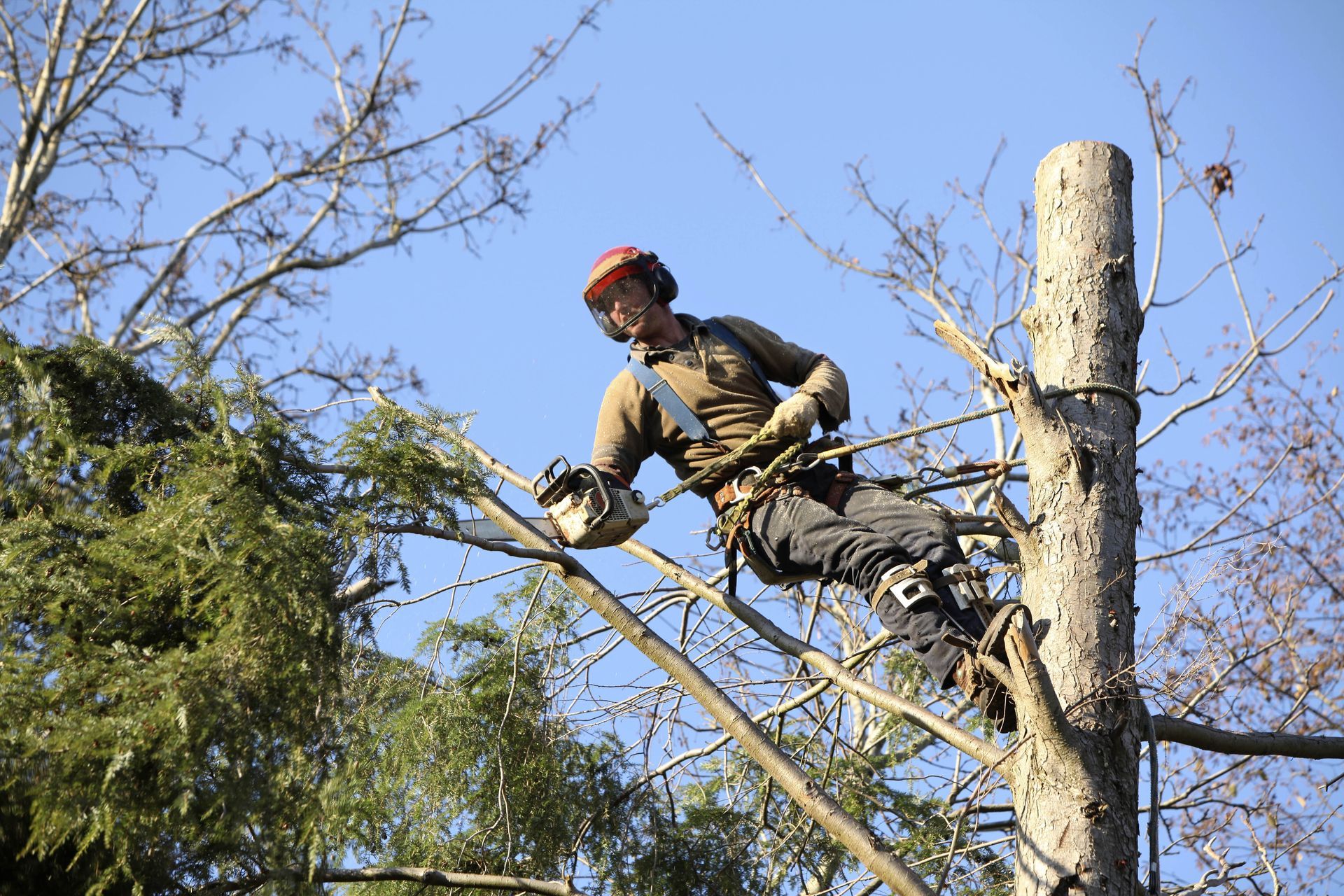
Urban trees require ongoing care to remain healthy and productive. Professional tree service can help communities manage their trees through pruning, disease management, planting and the removal of damaged branches. Maintaining healthy trees allows them to continue providing environmental benefits as they mature.
Strategic tree planting is particularly valuable in areas with heavy traffic, industrial activity or limited vegetation. Trees can act as natural filters by capturing airborne particles on their leaves, branches and bark. They can also absorb certain gaseous pollutants, helping improve local air conditions.
A well-maintained urban forest can therefore provide benefits at both the individual and community level. Tree service professionals can identify appropriate locations and species for planting while addressing hazards that could threaten established trees. This approach helps communities maintain green spaces rather than treating tree care as a one-time project.
How Do 100 Trees Impact Carbon Dioxide And Oxygen Levels?
Trees naturally participate in the carbon cycle by absorbing carbon dioxide during photosynthesis. They use carbon dioxide, water and sunlight to produce energy while releasing oxygen as a byproduct. Over time, trees also store carbon in their trunks, branches, roots, and surrounding soil.
The combined effect becomes more significant as the number of trees increases. According to the USDA, 100 trees can remove approximately 53 tons of carbon dioxide and 430 pounds of other air pollutants from the atmosphere each year. The exact amount can vary depending on tree characteristics and environmental conditions, but the figure illustrates the substantial environmental contribution that a relatively small group of trees can make.
Tree service supports this process by helping trees remain healthy throughout their lifespans. Proper pruning can improve structure and reduce the risk of damage, while timely attention to pests and diseases can prevent otherwise healthy trees from declining. Keeping mature trees alive can be especially valuable because larger, established trees generally provide considerable environmental benefits.
Trees also release oxygen as part of photosynthesis. Although oxygen production is only one part of their environmental role, it demonstrates how trees contribute to the natural systems that support human life.
What Are The Benefits Of Engaging Tree Services For Maintaining Public Health?
Air quality has a direct relationship with human health. Airborne pollutants can contribute to respiratory irritation and other health concerns, particularly for people who are sensitive to poor air conditions. Increasing vegetation in populated areas can help reduce exposure to certain pollutants while creating more pleasant places for people to live and spend time.
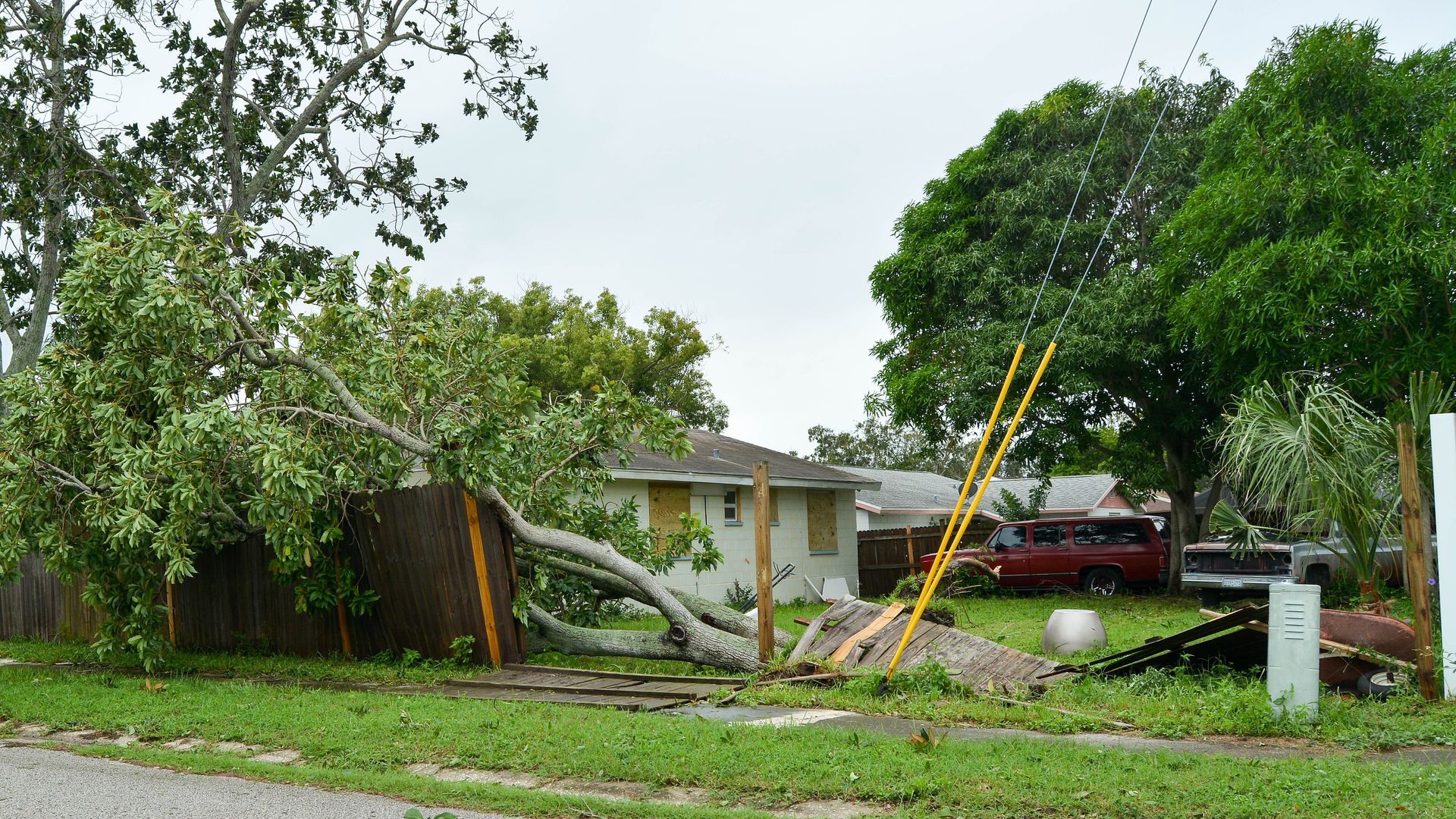
Professional tree service can help preserve these benefits by keeping public and private trees in good condition. Pruning can remove dead or diseased branches, while regular inspections can identify problems before they become larger hazards. Maintaining trees near sidewalks, parks, and residential areas can also make these spaces safer and more accessible.
Green spaces offer additional health benefits beyond air purification. Neighborhoods with mature trees can provide shade and encourage outdoor activity. Trees can also reduce the visual and physical harshness of highly developed environments. Parks, streets, and residential areas with healthy vegetation can create more inviting spaces for walking, recreation and social interaction.
These benefits demonstrate why tree care can be viewed as part of broader community infrastructure. Investment in tree service is not solely about maintaining attractive landscaping. It can also contribute to healthier and more functional public spaces.
How Does Tree Service Influence Biodiversity And Ecosystem Balance?
A group of 100 trees can provide considerably more ecological value than its contribution to air quality alone. Trees create habitat for birds, insects and other wildlife. Their branches can provide nesting locations, while their foliage and bark support numerous organisms.
Different tree species can also contribute to biodiversity by providing food and shelter at different times of the year. Native trees are particularly valuable because they are often closely connected to local insects and wildlife that have evolved alongside them.
Tree service can support this ecological role by promoting healthy, diverse plantings rather than relying exclusively on a single species. Proper maintenance can reduce the spread of certain tree diseases and help established trees survive environmental stress.
Healthy trees also interact with surrounding vegetation, soil, and water systems. Their roots can help stabilize soil and influence how rainwater moves through the landscape. Fallen leaves and organic material contribute nutrients to the soil, creating conditions that support additional plants and organisms.
Maintaining these relationships helps create balanced urban ecosystems. In this way, tree service can contribute indirectly to air purification by supporting the broader ecological systems that keep vegetation healthy.
What Economic Advantages Do Tree Services Offer To Urban Communities?
The environmental benefits of trees can translate into economic advantages. One of the most noticeable is energy conservation. Trees positioned strategically around buildings can provide shade during hot weather, reducing the amount of heat absorbed by roofs and walls. In colder climates, carefully placed vegetation can also provide some protection from winter winds.
Lower cooling demand can reduce household and commercial energy consumption. While individual savings vary based on building design, tree placement and local climate, a larger urban tree canopy can contribute to more efficient communities.
Trees can also influence property values and neighborhood appeal. Mature landscaping may make residential and commercial areas more attractive to prospective buyers, tenants, and visitors. Parks and tree-lined streets can contribute to the overall character of a community, potentially supporting local investment.
Tree service helps preserve these economic benefits by protecting the trees that communities have already invested in. Removing a mature tree because of preventable decline can mean losing decades of growth and environmental value. Regular maintenance can extend the useful life of trees while addressing safety concerns before they become costly problems.
There can also be community-level economic benefits associated with healthier public spaces. Shaded sidewalks, parks, and commercial districts may encourage people to spend more time outdoors and visit local businesses. These effects demonstrate how urban forestry can contribute to both environmental and economic resilience.
One hundred trees can make a meaningful difference in the quality of the environment around them. They absorb carbon dioxide, remove airborne pollutants, release oxygen, provide shade, and create habitat for wildlife. According to the USDA's estimate, 100 trees can remove about 53 tons of carbon dioxide and 430 pounds of other air pollutants annually, illustrating the scale of their potential impact.
Those benefits depend on trees remaining healthy enough to perform these functions. Tree service can help communities protect their investment through responsible planting, pruning, inspection and long-term maintenance. By supporting healthy urban forests, professional care allows trees to continue contributing to cleaner air, biodiversity, public health and energy efficiency.
Ultimately, 100 trees represent more than a collection of plants. They are part of a living environmental system capable of producing benefits that extend throughout a community. Investing in
tree service and preserving existing green spaces can help cities and neighborhoods build healthier, more sustainable environments for years to come. If you're looking for skilled tree services, reach out to Junior Loye Tree Service LLC today!
Share On: